
Bike Injury·
How to Fit a Bike Helmet
A properly fitted helmet is the difference between protection and decoration. The 2V1 fit check, what affects fit, and what to keep after a crash.
Insights & Guides
In-depth guidance on traumatic brain injuries, cycling accidents, and the legal process, written from years of Colorado trial and litigation experience serving Denver, Boulder, Colorado Springs, and communities statewide.

By Attorney Dan D'Angelo
Trial Lawyer · Brain Injury Advocate · Avid Cyclist
A properly fitted helmet is the difference between protection and decoration. The 2V1 fit check, what affects fit, and what to keep after a crash.
Colorado has no bike helmet law for regular human powered bicycles. The one exception: Class 3 e-bikes and riders under 18 must wear a specific type of helmet. Not wearing a helmet cannot be used against you. A Denver bike lawyer explains.
Colorado requires bicycles run brakes, a reflector, and lights at night. Why smart riders run them in daylight too - and how to protect your claim in the event of a crash.
Chatbots should not replace a professional medical evaluation for concussion and traumatic brain injury according to this 2026 study.
In Colorado, a bicyclist may treat a stop sign as a yield and a red light as a stop sign on certain conditions. Here's how to legally perform what is known as the Idaho Stop in Colorado at a stop sign and at a red traffic light.

Why fear of how you will be judged shouldn't delay or stop you from hiring a personal injury attorney for your bicycle accident or brain injury case.
Nothing up front, and no fee unless there is a recovery. Here is the typical Colorado percentage range, what the law requires the fee agreement to say, why costs are a separate question, and what to ask before you sign.
Since August 12, 2026, Colorado law bans stopping or parking in bike lanes statewide. What HB26-1237 changed, the fine, and what it means if a blocked lane caused your crash.

Hiring an attorney does not automatically mean your case will end up in court. Bike Brain Law counsels its clients on the pros and cons of trial so they can decide what course of action is best for their needs.

Colorado's 50 percent bar means a cyclist found half at fault recovers nothing. Here is how the math works, why insurers push blame onto riders, and why you should contact a lawyer early.

Why loss of consciousness is difficult to spot, how to identify it, and how to report it to medical professionals.
Not all symptoms after a concussion or mild TBI go away on their own. Some symptoms called post concussive symptoms or PCS for up to 48% of people may lost more than one year or longer.
Learn to recognize the signs and symptoms of a concussion following a bike accident.
Riding a bike is stored as implicit, procedural memory in the cerebellum and basal ganglia, areas more protected from TBI than memory centers responsible for facts and dates.

Studies estimate 40–50% of mild TBI patients leave the ER without a documented TBI diagnosis. You may still have a valid claim. Here's why.
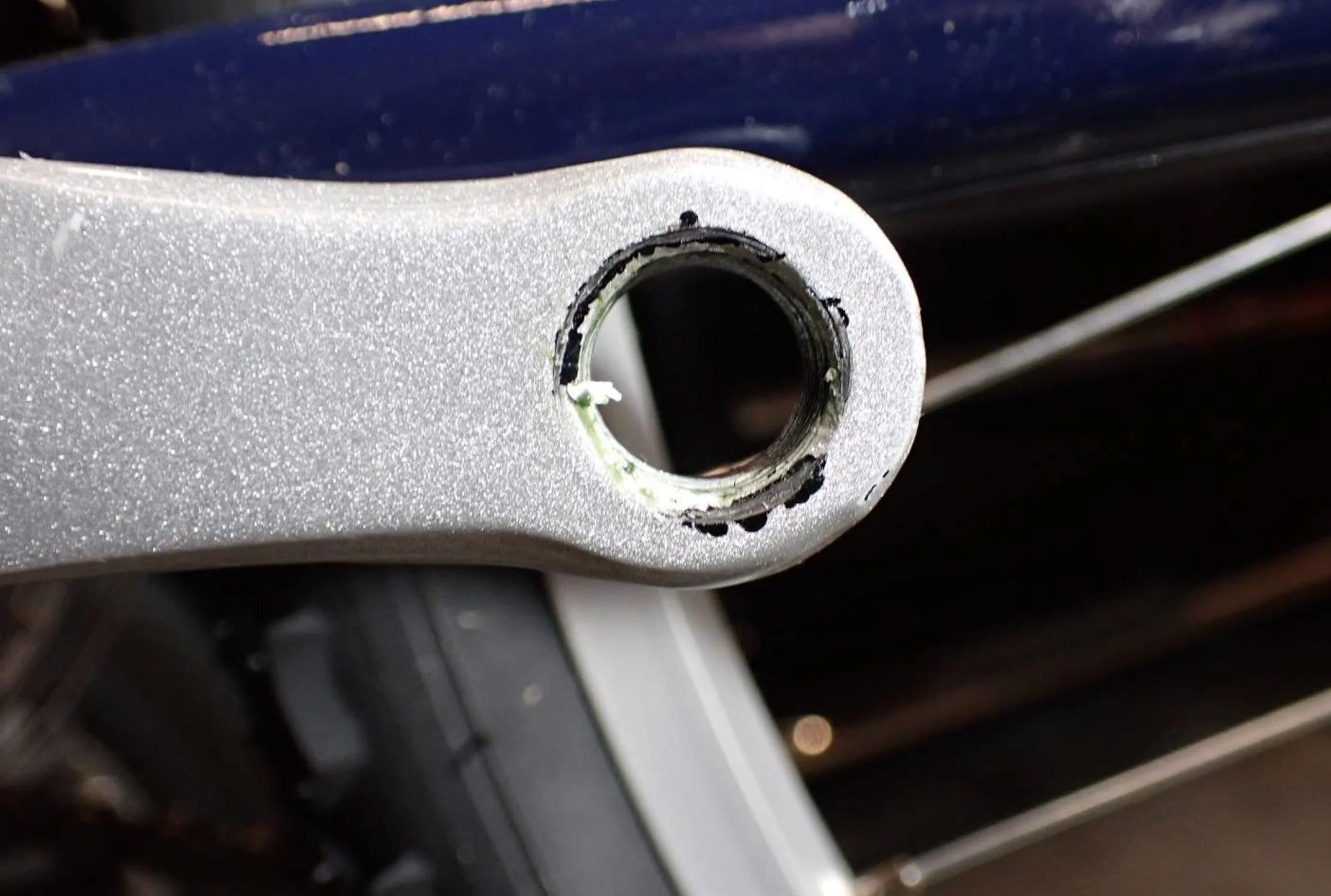
Common signs that a bicycle defect or improper assembly caused your crash, plus exactly what to do to preserve evidence and protect your claim.

The right questions to ask before hiring a TBI attorney, including experience with normal imaging, missed ER diagnoses, and insurance challenges.

A bicycle helmet's protective lifespan is limited. Replace it after any crash, visible damage, fit changes, or every three to five years with regular use.

Multi-use trails and regional paths come with specific rules: yield to pedestrians, stay right, ride the posted speed limit, and more.

A sharrow is a painted bicycle-and-chevron marking that tells drivers and cyclists they're sharing the lane and where the cyclist should ride for safety.
Bicycles are 'vehicles' in Colorado and may ride on most roads. Here's where you can ride, when you can take the lane, and the hazards you don't have to ride through.
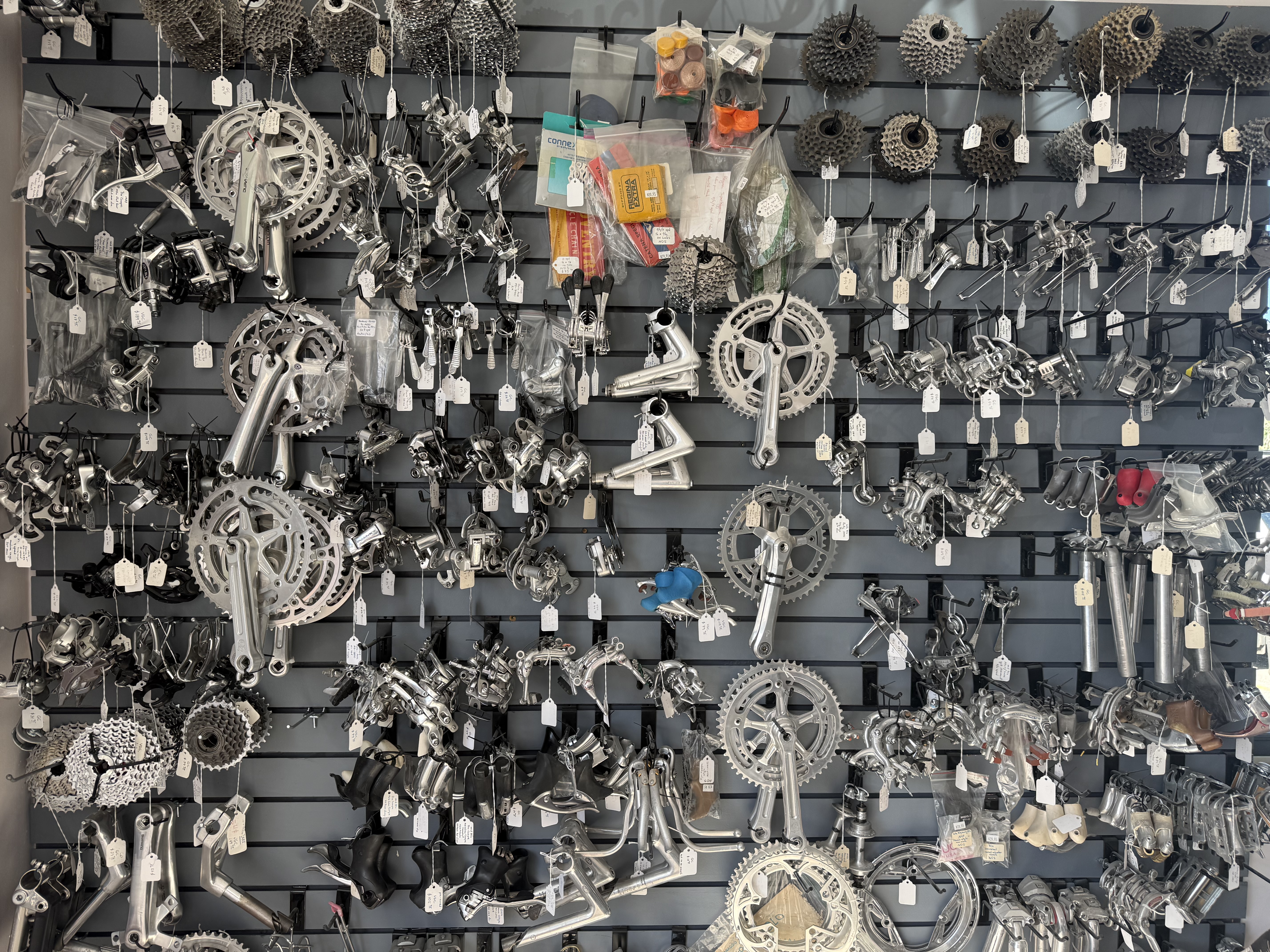
Modern bikes have 50+ components. Here's the full list of parts that can cause a rider to lose control if defective or improperly assembled.

Waymo's driverless taxis are now giving public rides in Denver — hailed through the Waymo app since September 2026. What it means for cyclists and road users.

The current mild/moderate/severe TBI grading is being challenged by a proposed new CBI-M framework that adds biomarkers, imaging, and patient-specific modifiers.

Two new Colorado laws effective January 1, 2026 are relevant to bike and brain injury cases: e-bike class labeling (HB25-1197) and car seat replacement (HB25-1179).
T1, T2, FLAIR, fMRI, SWI, DTI, MRS, and ASL are different MRI techniques that look at different brain components. Why this matters for proving a TBI.

Attorney Dan D'Angelo designed Bike Brain Law's website to help Colorado bicycle crash and TBI victims find answers and find a trusted, experienced lawyer.
Imaging sensitivity, slice thickness, and timing all matter. A 'normal' scan does not mean no TBI occurred, particularly for mild TBI and concussion.

No. TBIs, especially mild ones, are diagnosed using clinical factors like loss of consciousness, post-traumatic amnesia, and Glasgow Coma Scale.

Mild, moderate, severe, and complicated mild. TBI severity classification is evolving. The new CBI-M framework aims to better reflect real outcomes.

TBI is often called the 'invisible injury.' Symptoms may overlap with other conditions, be delayed, or be masked by pain from other injuries.
A complete list of physical, cognitive, communication, and behavioral symptoms, plus the clinical signs doctors look for to diagnose a TBI.
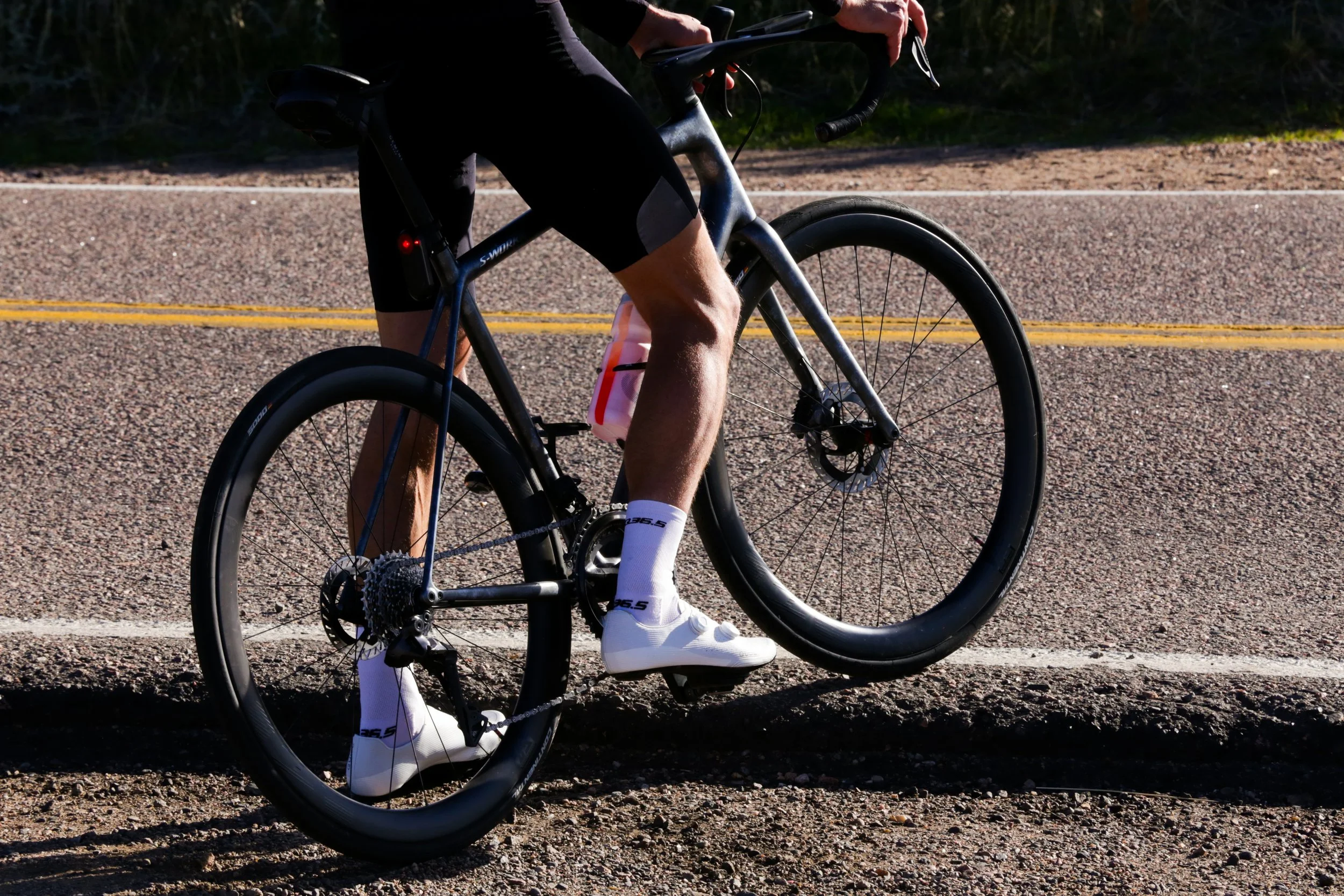
Big box stores routinely fail to properly assemble bikes. Improper torque on stems, bolts, or fasteners can cause sudden, catastrophic component failure.
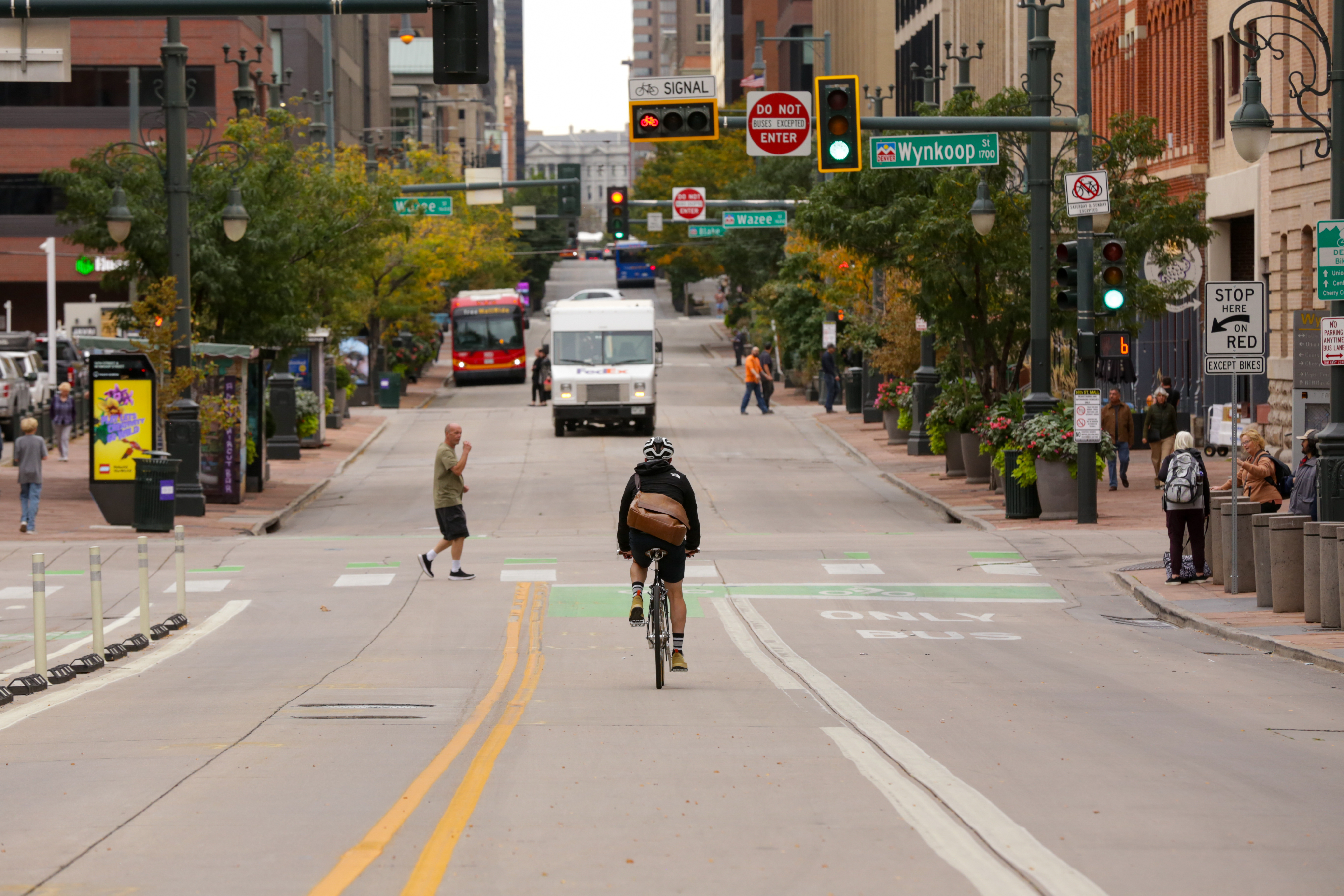
Colorado-specific guidance: from stopping at the scene to filing your own crash report when police decline to investigate. Protect your case from minute one.
Traumatic vs non-traumatic, primary vs secondary injury, and diffuse axonal injury. A foundational guide to how brain injuries occur and evolve.