How to Fit a Bike Helmet
A properly fitted helmet is the difference between protection and decoration. The 2V1 fit check, what affects fit, and what to keep after a crash.

By Attorney Dan D'Angelo
Trial Lawyer · Brain Injury Advocate · Avid Cyclist
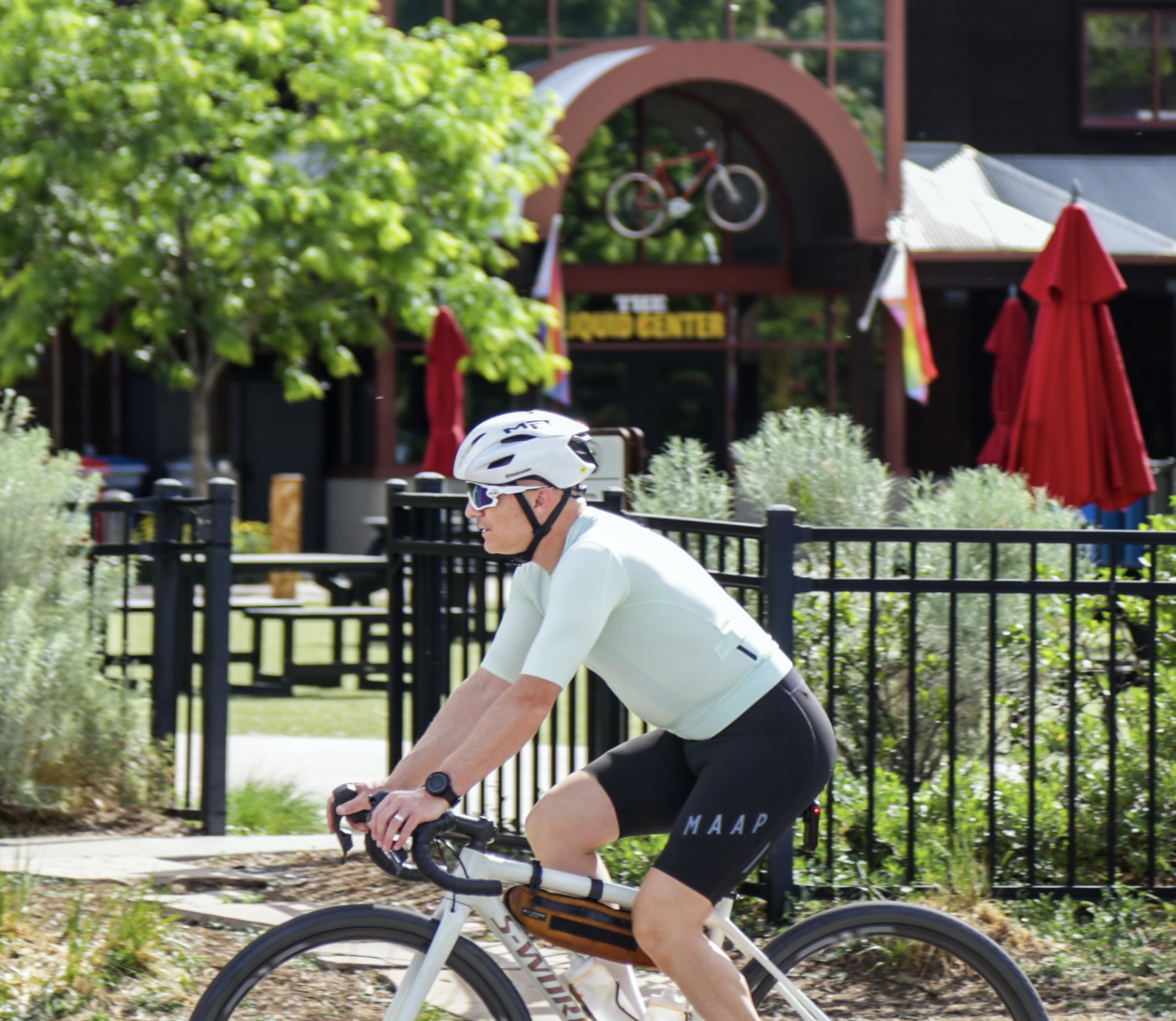
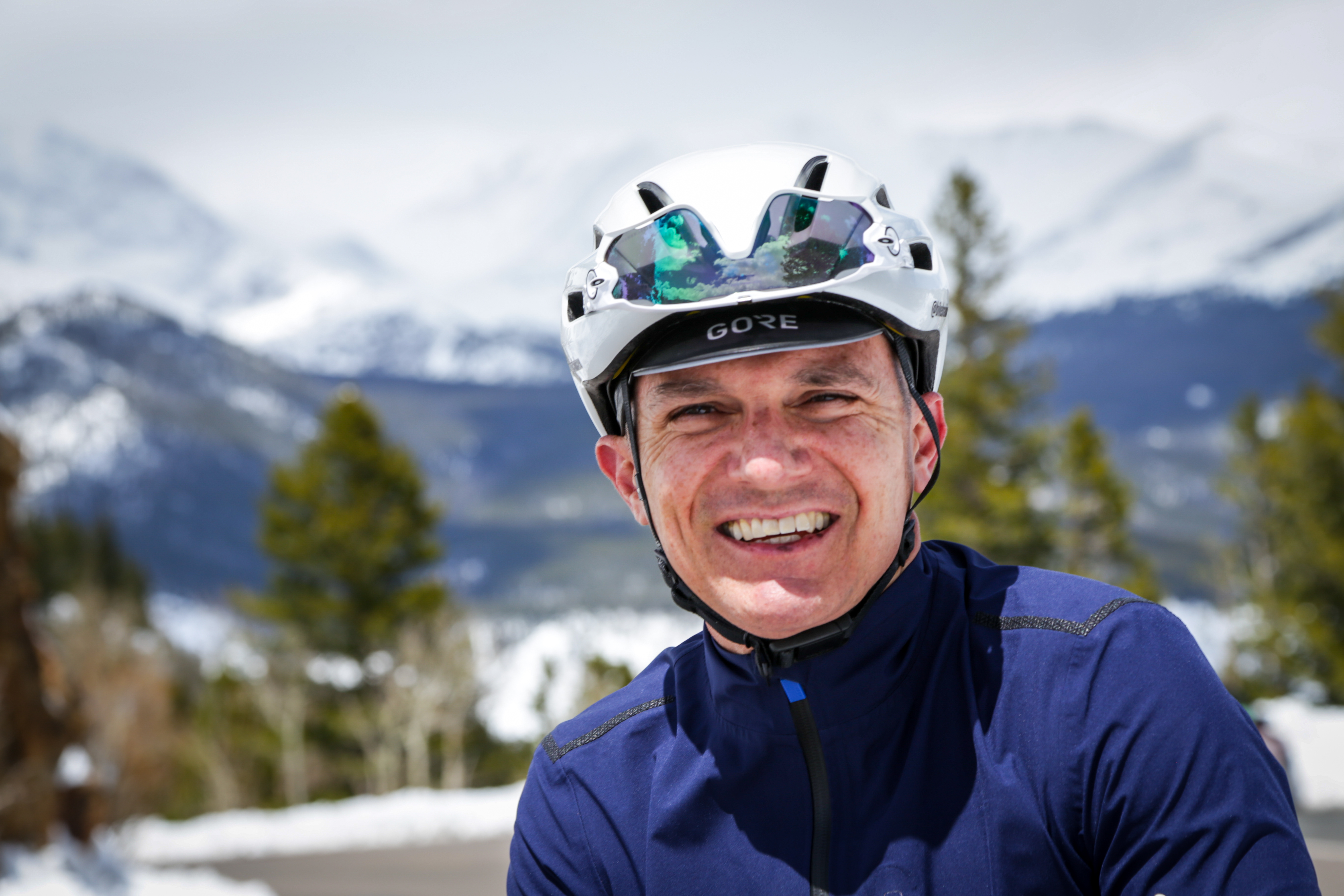
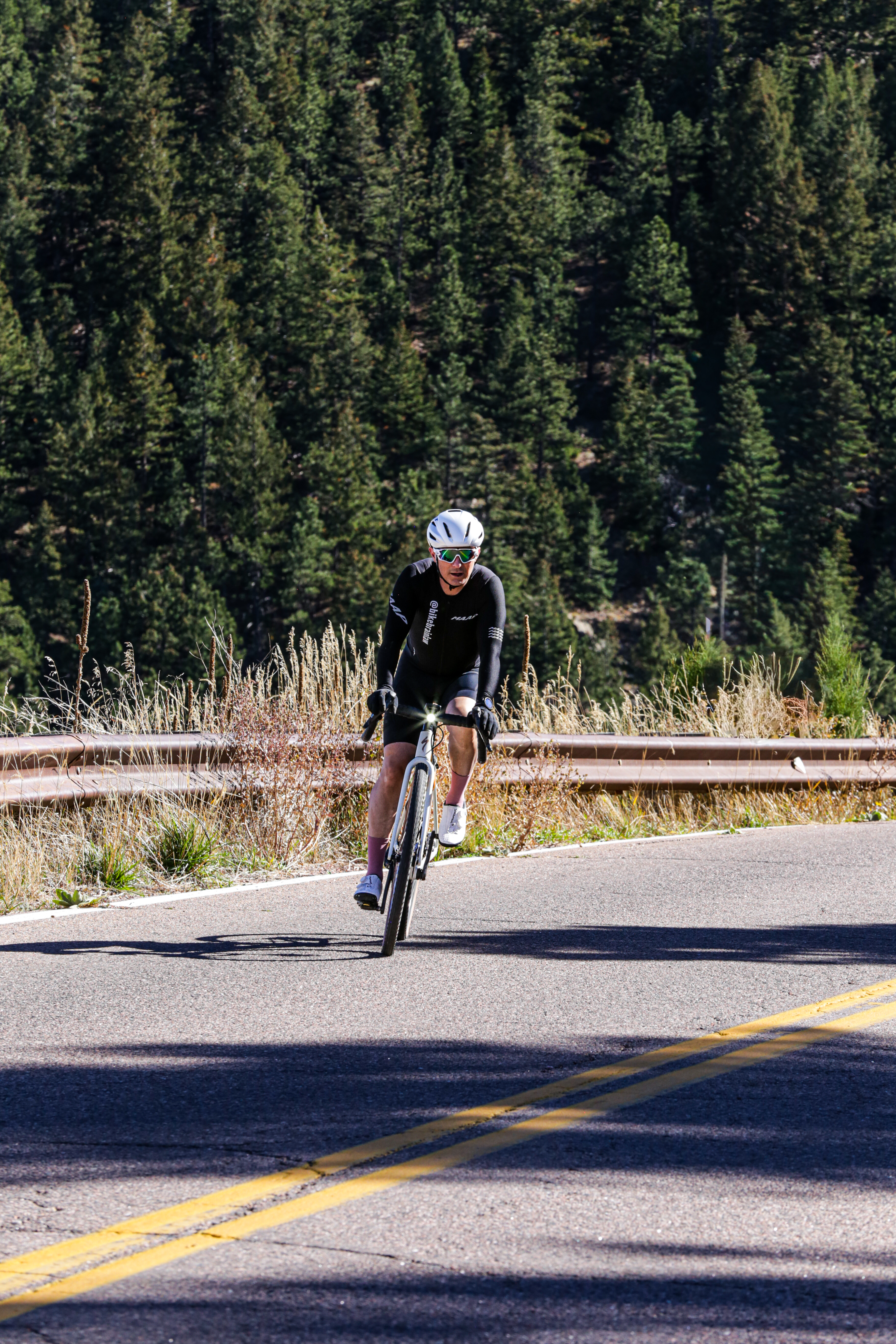
A properly fitted bicycle helmet is the difference between protection and decoration. It needs to stay on and cover your head in a crash — and a helmet that fits well is a helmet you'll actually wear. This covers the typical recreational, road, or mountain bicycle helmet. Here's how to get the right helmet that fits.
Inspect for Damage, Check for CPSC Certification, Read Instructions
Inspect the helmet and packaging for damage before you buy or wear for first time: cracks, scratches, dents, deformity, frayed straps, or a buckle that doesn't clip and stay clipped. Don't buy a helmet that's damaged out of the box. Return it to the manufacturer or seller.
Before buying, make sure the helmet is certified by the U.S. Consumer Product Safety Commission (CPSC). Every bicycle helmet sold in the USA must meet this standard, and the certification should be prominently displayed inside the helmet. Here's what federal law requires to come with the bicycle helmet:
Certification label: must state the helmet complies with the CPSC standard, plus the manufacturer's name (foreign or domestic), address, and phone, and the production lot and manufacture date.
Bold "WARNING" labels covering four things: no helmet prevents all injury or death; it only protects if it fits and the straps are buckled per the instructions; a helmet that's taken an impact may be invisibly damaged — return it to the manufacturer or destroy and replace it; and harsh cleaners like ammonia or bleach can invisibly damage the shell. Some of these warnings must also be included on the packaging.
Fitting Instructions: instructions telling riders how to make sure the helmet fits properly and how to wear it properly with a picture showing the proper way to wear the helmet.
Try Before You Buy
The best way to find the right helmet is to visit a bike shop with trained staff. Try on different helmets to find one that's comfortable, looks good, and gives you the coverage and features you need.
A few fit details people forget in the store:
• Sunglasses. Check how they feel around your ears with the retention system dialed in, and around the brim — some larger lenses may not play well with certain helmets.
• Caps. If you ride with a cycling cap or winter hat, try the helmet on over it. Fit changes with what's underneath.
• Hair. The thickness of your hair or how you style your hair when you ride may change how the helmet fits.
• Tech features. Helmets have come a long way — MIPS, KinetiCore, integrated lights, camera mounts, even crash detection and turn signals. Worth seeing and feeling these in person, since these change fast. If you ride an e-bike, look for helmets certified to NTA 8776, the standard designed for higher e-bike speeds. *Colorado does require riders under 18 of Class 3 E-Bikes to wear a helmet that conforms the U.S. Consumer Product Safety Commission (CSPC) or American Society for Testing and Materials (ASTM).
The 2V1 Fit Check
Remember 2V1: two fingers, V straps, one chin check.
2 — Position. The helmet should sit level on your head, not tilted forward, back, or sideways. The front edge should sit about one inch above your eyebrows — roughly two adult fingers. Road and race helmets tend to have less rear coverage than mountain bike styles, but the level rule holds either way.
V — Straps. Adjust the side straps so they form a snug "V" around each ear. Your ear should sit comfortably inside the V.
1 — Chin strap. Buckle it so the helmet can't come off, but not so tight it's uncomfortable. About two adult fingers should fit between the strap and your chin.
If your head and hair don't fit inside, it's too small. If the helmet shifts when you shake your head, adjust the straps — or try a different size or brand. Head shapes vary, and so do helmets.
When to Replace Your Helmet
• After any crash. Even if it looks fine. The foam inside is single-use — it compresses on impact and won't protect you twice.
• About every three to five years. Materials degrade with sweat, sun, and time.
• At any sign of damage. Cracks, dents, frayed straps, a tired buckle — retire it.
For more detail about why and when to replace your helmet read our separate post When Should You Replace Your Bike Helmet.
What Colorado Law Says About Bicycle Helmets
Colorado has no statewide helmet law for bicyclists riding only pedal powered non-motorized bicycles — but that may not stop insurance companies from trying to use not wearing a helmet against you. We know the rules when it comes to helmets and how insurance companies try to use not wearing a helmet against injured cyclists.
To read about Colorado's bicycle helmet requirements for adults and minors for human power bicycles and e-bikes or electrical assisted bicycles in detail —what's required, what isn't, and how not wearing a helmet may or may not impact your case checkout our post Does Colorado Require Bicycle Helmets?
If You've Been in a Crash, Keep the Helmet
This is important if you've been in a bicycle crash: don't throw away the helmet you were wearing in a crash. Preserve it for evidence! Photograph the damage and keep it safe. Don't wear it ever again. Don't clean it. Don't fix it. Don't do anything to change its condition after the crash. A damaged or crushed helmet is evidence — it can show a lot about the impact and movement like where and how hard your head hit, which matters for both your medical care and your case. Also, if the helmet was defective in some way, keeping the helmet is necessary to for evidence of any defect and any role the defect may have played in causing or contributing to your injuries.
Then get checked by a doctor, even if you feel fine. Head injuries don't always announce themselves.
Dan D'Angelo is a Colorado trial lawyer representing injured bicyclists and brain injury victims. If you were hurt in a bike crash, contact Dan for a free consult.
-Dan
Have a question about your case?
Attorney Dan D'Angelo offers free consultations for brain injury and cycling accident victims throughout Colorado.
About the Author
Attorney Dan D'Angelo
Trial Lawyer · Brain Injury Advocate · Avid Cyclist
Attorney Dan D'Angelo founded D'Angelo Law Office, P.C. in 2009 and Bike Brain Law to focus exclusively on traumatic brain injury and cycling injury cases in Colorado. An avid cyclist himself, Dan combines deep TBI science knowledge with hands-on cycling experience to build winning cases against insurance companies and corporations that put profits over safety.
- Practicing Colorado personal injury attorney since 2009
- Focused practice in TBI and bicycle injury litigation
- Multi-million dollar settlements and verdicts for injury victims
- Avid road and commuter cyclist