What Is a Brain Injury?
Traumatic vs non-traumatic, primary vs secondary injury, and diffuse axonal injury. A foundational guide to how brain injuries occur and evolve.
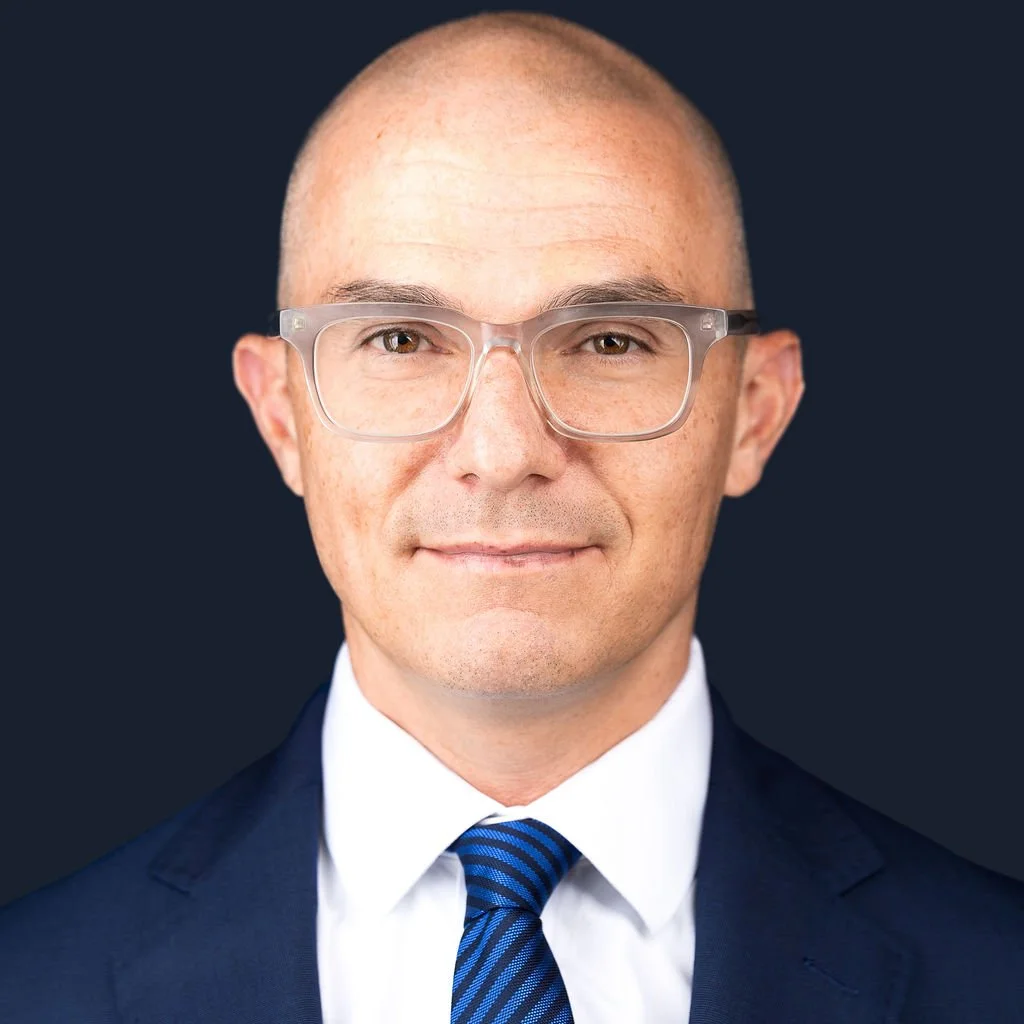
By Attorney Dan D'Angelo
Trial Lawyer · Brain Injury Advocate · Avid Cyclist

There are two types of brain injuries: (1) traumatic and (2) non-traumatic. A traumatic brain injury may also be called a head injury or if mild, a concussion.
A non-traumatic brain injury is caused by something inside the body, like a stroke, infection, tumor, lack of oxygen, or exposure to a toxin like polychlorinated biphenyls (PCBs).
A traumatic brain injury happens when a sufficient external force outside the body causes damage to the brain tissue or disrupts brain function. The outside force could be the head hitting or being hit by an object, an object penetrating the skull and brain, a force causing the body and head to move suddenly and the brain to move inside the skull, forces from a blast, or other forces like electrical or thermal energy.
Primary and Secondary Injury
There are two stages of a traumatic brain injury known as the Primary Injury and the Secondary Injury. The Primary Injury is the injury that occurs at the time of initial trauma that causes structural or functional disturbance. The Secondary Injury is what happens to the brain after the Primary Injury.
Brain damage from the Primary Injury includes bleeding, bruising, swelling, cuts, tears, or the shearing of nerves. Bleeding can happen in the brain or the layers inside the skull that cover the brain. Sometimes, the bleeding is microscopic and may not show up on brain imaging like a CT scan. Brain damage can be localized to a specific area or widespread and scattered throughout the brain known as Diffuse Axonal Injury (DAI).
The Secondary Injury exacerbates the initial damage and leads to further damage and dysfunction. Various mechanisms occur in the brain after the Primary Injury, which may include decreased blood or oxygen supply, inflammation, excitotoxicity, oxidative stress, and metabolic dysfunction. These secondary mechanisms lead to harmful events that can change normal brain functions and lead to cellular impairment, degeneration, and death. Secondary Injury occurs over time, from minutes to days, and the inflammatory response is believed to continue for years after injury.
A brain injury is not like a broken bone. While a broken bone can be painful and have its own serious effects, scientists and doctors are still uncovering and learning about the brain and how it responds to trauma.
Frequently Asked Questions
What's the difference between a concussion and a traumatic brain injury?
A concussion is a mild traumatic brain injury. All concussions are TBIs, but not all TBIs are concussions — moderate and severe TBIs involve deeper structural damage.
Can a brain injury show up days after a crash?
Yes. Secondary injury unfolds over time. It can be minutes to days or weeks later as inflammation, swelling, and reduced blood flow compound the initial damage. Symptoms can appear or worsen well after the crash.
Can I have a brain injury if my CT scan was normal?
Yes. Microscopic bleeding and diffuse axonal injury may not appear on a CT scan. A "normal" CT scan doesn't rule out a brain injury.
What's the difference between primary and secondary brain injury?
Primary injury is the damage at the moment of impact — bleeding, bruising, torn nerves. Secondary injury is the cascade that follows over hours, days, and even years after injury.
Is a brain injury permanent?
It can be. Unlike a broken bone, the brain's response to trauma is complex and still being studied. If you're dealing with ongoing symptoms after a crash, see a medical doctor and call me — my focus is brain injury and bicycle cases.
Have a question about your case?
Attorney Dan D'Angelo offers free consultations for brain injury and cycling accident victims throughout Colorado.
About the Author
Attorney Dan D'Angelo
Trial Lawyer · Brain Injury Advocate · Avid Cyclist
Attorney Dan D'Angelo founded D'Angelo Law Office, P.C. in 2009 and Bike Brain Law to focus exclusively on traumatic brain injury and cycling injury cases in Colorado. An avid cyclist himself, Dan combines deep TBI science knowledge with hands-on cycling experience to build winning cases against insurance companies and corporations that put profits over safety.
- Practicing Colorado personal injury attorney since 2009
- Focused practice in TBI and bicycle injury litigation
- Multi-million dollar settlements and verdicts for injury victims
- Avid road and commuter cyclist
Related articles

You don't want to rely on a chatbot about concussion and traumatic brain injury related medical questions or for your insurance claim

Three reasons the fear of being judged shouldn't delay or stop you from hiring a lawyer for your personal injury case.