How Much Does a Denver Bike Accident Lawyer Charge on Contingency?
Nothing up front, and no fee unless there is a recovery. Here is the typical Colorado percentage range, what the law requires the fee agreement to say, why costs are a separate question, and what to ask before you sign.
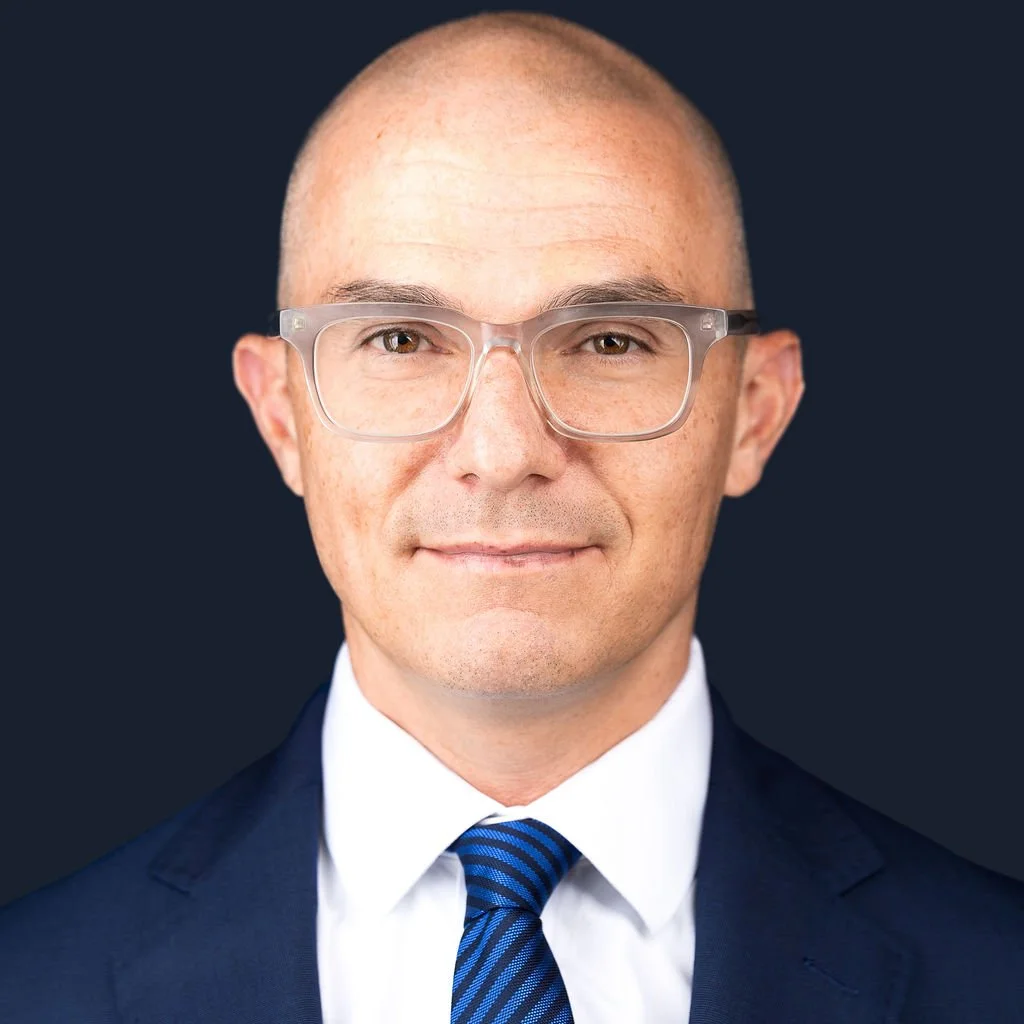
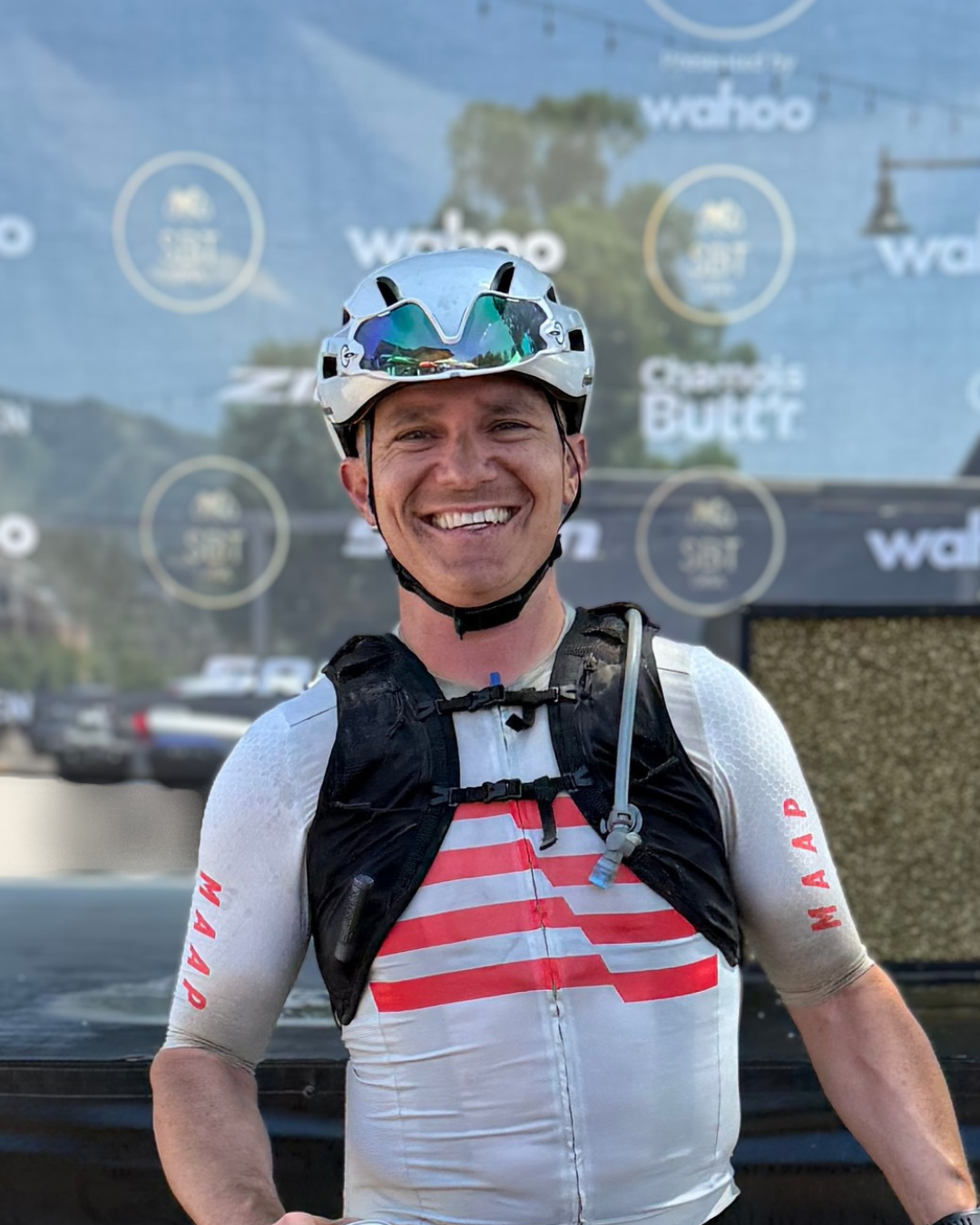
By Attorney Dan D'Angelo
Trial Lawyer · Brain Injury Advocate · Avid Cyclist
Most Denver bike accident lawyers, including Bike Brain Law, work on what is known as a contingency fee. You pay nothing up front. The fee is a percentage of the amount recovered, paid at the end of the case out of the settlement or verdict. If there is no monetary recovery, there is no fee charged.
The attorney contingency fee percentage is the part people want to know. Generally, the percentage charged by lawyers ranges from about one third or higher depending on when the case resolves, such as before a lawsuit is filed, at trial, or if there is an appeal of a trial verdict. The exact attorney fee percentage is set in the fee agreement. Make sure you read before signing, understand how the fee is calculated, and receive a copy of the signed fee agreement. Costs are separate and handled differently from the attorney contingency fee. Read below to learn more about how costs are handled.
Costs are not part of the attorney contingency fee
This is where people get surprised. The attorney fee is how the attorney is paid for their time, work, risk, and legal expertise on the case. Legal costs are separate from the attorney fee and are expenses incurred for things necessary to build a winning case, like hiring an investigator, preserving evidence, collecting medical records, court filing fees, depositions, and paying expert witnesses. In a complex case such as a brain injury, the legal costs alone can easily run into six figures.
Firms handle costs differently so it pays to talk to different firms to see how they handle costs for your case. Some may advance every cost and repay themselves from the recovery. Some may charge the client costs upfront. Others may charge the client interest while carrying the costs advanced by the attorney which can sometimes be for years while the case progresses.
In Colorado, the client is responsible for legal costs no matter the outcome of the case. So, if there is no recovery at the end of the case the client is responsible for costs incurred. This is an important part the client must understand and ask about when hearing and seeing advertisements that make it seem the client owes nothing if they don't win. Attorneys in Colorado are required to tell you this.
Why a percentage instead of an hourly rate
A brain injury or bike crash client usually cannot afford to pay a lawyer by the hour while they are also missing work and paying medical bills. It limits in a way the amount the client has to pay so there are likely other funds from the recovery available to pay the client for their damages and any liens that may need to be paid back to third parties like health insurance. You can imagine if an attorney charged $400 an hour or more on a case that the hourly rate could quickly and easily exceed the value of the client's case leaving them with nothing at the end. Not a good outcome for most people. Contingency also shifts some of the risk to the attorney and provides an incentive to do well for the client.
Why the percentage typically goes up in litigation
A case that goes into litigation can take years before it gets to trial, and includes a significantly greater amount of legal work like discovery, depositions, expert preparation, motions, court hearings, and then if all goes well a trial that can take a week or more.
Questions to ask before you sign a contingency fee agreement
What is the percentage at each stage? What are the estimated costs? Does the client have any input on what costs are incurred and how much? Who pays costs if there is no recovery? Will I get a written itemization of the fee and costs calculation at the end of the case?
How this works at Bike Brain Law
Bike Brain Law works on contingency. There is nothing to pay up front, the attorney fee comes out of the recovery, and the initial consultation is free with no obligation. The fee agreement is in writing, it plainly calculates the fee, there is no interest charged on advanced client costs, and every question above gets a plain answer at the first meeting.
Call 303.831.1116 for a free consultation.
Frequently Asked Questions
What percentage will the lawyer take from my recovery?
The percentage in Colorado ranges and is generally about one-third or higher, depending on when the case resolves — before a lawsuit is filed, at trial, or on appeal. The exact percentage is set in your written fee agreement. Read it before signing, understand how the fee is calculated, and keep a copy.
Are legal costs included in the attorney's contingency fee percentage charged?
No — this is where people get surprised. The fee pays the attorney for their time, risk, and expertise. Costs are separate expenses needed to build the case for things like investigators, medical records, filing fees, depositions, expert witnesses.
What if there's no recovery — do I still owe costs?
In Colorado, yes. The client is responsible for legal costs no matter the outcome, and attorneys are required to tell you this. That's an important detail behind ads that make it sound like you owe nothing if you don't win — the fee is $0, but costs are a separate matter.
What questions should I ask before signing a fee agreement?
What's the percentage at each stage? What are the estimated costs? Do I have input on which costs get incurred? Who pays costs if there's no recovery? Will I get a written itemization of the fee and costs at the end?
How does this work at Bike Brain Law?
Contingency, nothing up front, the fee comes out of the recovery, and the consultation is free with no obligation. You get a copy of the written fee agreement that plainly calculates the fee, charges no interest on advanced costs, and every question gets a plain answer at the first meeting with Attorney Dan D'Angelo. Call 303.831.1116 to learn more.
Have a question about your case?
Attorney Dan D'Angelo offers free consultations for brain injury and cycling accident victims throughout Colorado.
About the Author
Attorney Dan D'Angelo
Trial Lawyer · Brain Injury Advocate · Avid Cyclist
Attorney Dan D'Angelo founded D'Angelo Law Office, P.C. in 2009 and Bike Brain Law to focus exclusively on traumatic brain injury and cycling injury cases in Colorado. An avid cyclist himself, Dan combines deep TBI science knowledge with hands-on cycling experience to build winning cases against insurance companies and corporations that put profits over safety.
- Practicing Colorado personal injury attorney since 2009
- Focused practice in TBI and bicycle injury litigation
- Multi-million dollar settlements and verdicts for injury victims
- Avid road and commuter cyclist