12 Steps to Take After a Bike Crash to Protect Your Rights
Colorado-specific guidance: from stopping at the scene to filing your own crash report when police decline to investigate. Protect your case from minute one.

By Attorney Dan D'Angelo
Trial Lawyer · Brain Injury Advocate · Avid Cyclist
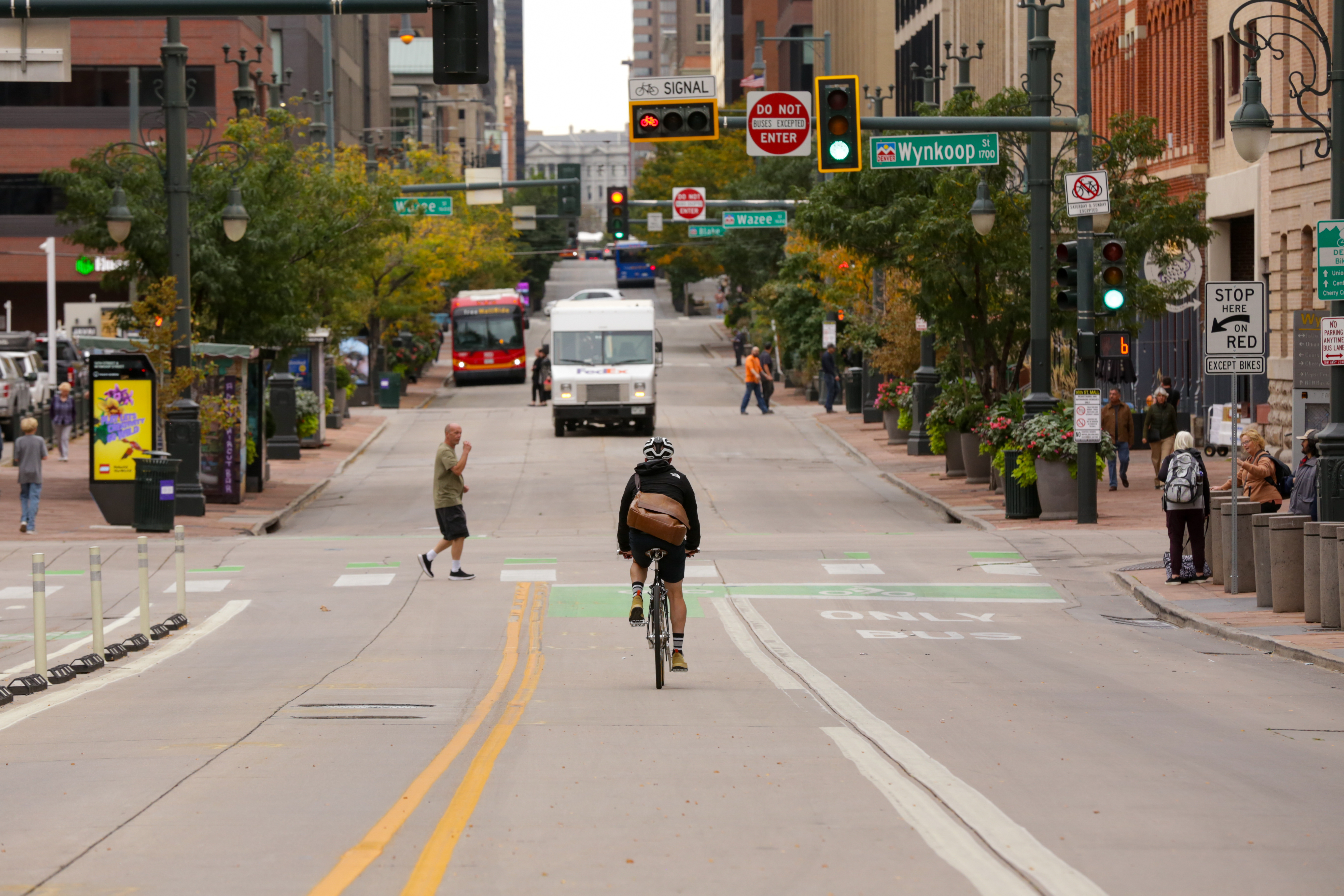
Cyclists are vulnerable road users, and a bicycle crash can result in serious injuries like road rash, contusions, fractured bones, traumatic brain injury, or death. According to the National Highway Traffic Safety Administration (NHTSA), from 2014 to 2023, there were 162 bicycle-related fatalities in Colorado involving motor vehicles. Thirteen percent of those fatalities were 14 years old or younger and 85% occurred in urban areas.
A bicycle crash can happen in an instant. Being informed and prepared about what to do after a crash is part of being a responsible road user and can help protect your rights.
- Stop and stay at the scene. All parties must stop at or as close to the scene as possible and remain there.
- Check for injuries using the American Red Cross Three Cs: Check the scene for safety, Call 911 if anyone is unresponsive, hit their head, has trouble breathing, or has serious bleeding, and Care for the injured person according to your level of training.
- Request the other party's personal and vehicle identification: name, address, vehicle registration number, and driver's license. Rental scooters and e-bikes (Lime, Bird) have visible unique IDs; low-power scooters must have a registration decal.
- Call the police immediately, whether the incident involves only property damage or both injuries and property damage.
- Request the police investigate and file a Traffic Accident Report. Police are not required to investigate every bicycle crash, so request it, particularly when there are injuries, property damage exceeds $1,000, hit and run, suspected impairment, no ID/insurance provided, public property damage, or proof of insurance is missing.
- File your own crash report with the police or the Colorado Division of Motor Vehicles within 24 hours if police decline to investigate or there is an Accident Alert.
- Take photographs of the other party, vehicles, and the scene, ideally before any vehicles are moved.
- Request the other party's insurance information if a motor vehicle, motorcycle, or low power scooter is involved.
- Request witness names and contact information.
- Move vehicles only if possible and do not obstruct traffic more than necessary. On a divided highway with no injuries, move off the road as soon as practicable.
- Seek medical care as soon as possible. Some injuries, like a brain injury, may not be obvious at first. Don't hesitate to request an ambulance or go directly to the ER from the scene.
- Contact a lawyer. Contact us at Bike Brain Law to start protecting your legal rights.
If your crash was in Denver
Denver Police responds to crashes involving injury. Tell the 911 dispatcher you are a cyclist and you are hurt. Once the officer closes the report, usually within several days, you can request a copy through the Denver Police records portal at denvergov.org. If no officer came to the scene, file your own report online with the Colorado DMV at co.colorado.gov as soon as possible. The absence of any report is something the insurer will use against you.
Colorado law requires the driver to stay at the scene and report a crash involving injury (C.R.S. 42-4-1606). Drivers must also give cyclists at least three feet when passing (C.R.S. 42-4-1003) and may not drive carelessly close to a bicyclist (C.R.S. 42-4-1008.5). If the officer cites the driver under any of these, that citation becomes the backbone of your claim.
How long you have
For a crash involving a motor vehicle, Colorado gives you three years from the date of the crash to file a lawsuit (C.R.S. 13-80-101(1)(n)). Claims against a bike or component manufacturer for a defective product must be filed within two years. Claims against a city or other government entity have a much shorter notice deadline. The evidence does not wait that long: camera footage is overwritten within days and witnesses are hard to find after a few weeks. For the full list of what to collect and why, see What Evidence Do Denver Cyclists Need to Prove Driver Negligence After a Collision?.
Call 303.831.1116 for a free consultation. No fee unless we win.
Have a question about your case?
Attorney Dan D'Angelo offers free consultations for brain injury and cycling accident victims throughout Colorado.
About the Author
Attorney Dan D'Angelo
Trial Lawyer · Brain Injury Advocate · Avid Cyclist
Attorney Dan D'Angelo founded D'Angelo Law Office, P.C. in 2009 and Bike Brain Law to focus exclusively on traumatic brain injury and cycling injury cases in Colorado. An avid cyclist himself, Dan combines deep TBI science knowledge with hands-on cycling experience to build winning cases against insurance companies and corporations that put profits over safety.
- Practicing Colorado personal injury attorney since 2009
- Focused practice in TBI and bicycle injury litigation
- Multi-million dollar settlements and verdicts for injury victims
- Avid road and commuter cyclist